

Understanding Eye Exams: What to Expect and Why
- junaidchang330
- Jun 9
- 4 min read

Eye exams are a crucial part of maintaining your overall health. They not only help in assessing your vision but also play a significant role in detecting various health conditions. Whether you are experiencing vision problems or simply want to ensure your eyes are healthy, understanding what to expect during an eye exam can make the process less daunting.
In this blog post, we will explore the different types of eye exams, what happens during an exam, and why regular eye check-ups are essential for everyone.
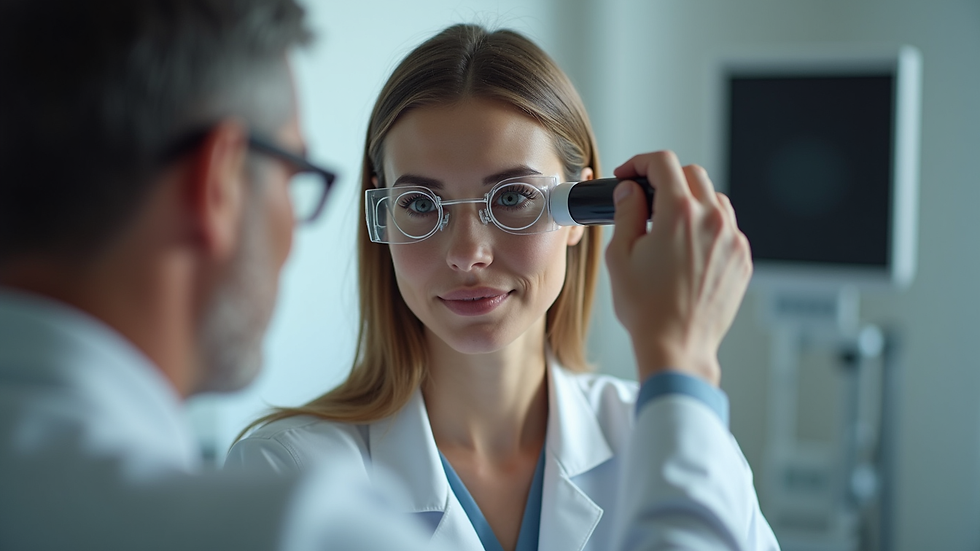
The Importance of Regular Eye Exams
Regular eye exams are essential for several reasons:
Early Detection of Eye Diseases: Conditions like glaucoma, cataracts, and macular degeneration can develop without noticeable symptoms. Regular exams can help catch these issues early.
Vision Correction: If you need glasses or contact lenses, an eye exam will determine the correct prescription to improve your vision.
Overall Health Monitoring: Eye exams can reveal signs of systemic diseases such as diabetes and hypertension.
How Often Should You Get an Eye Exam?
The frequency of eye exams can vary based on age, health, and vision needs:
Children: Should have their first eye exam at 6 months, then at age 3, and again before starting school.
Adults: Generally, adults should have an eye exam every two years. However, those over 60 or with specific health conditions may need annual exams.
Contact Lens Wearers: Should have an eye exam annually to ensure their prescription is up to date and to monitor eye health.
What to Expect During an Eye Exam
Understanding what happens during an eye exam can help ease any anxiety you may have. Here’s a breakdown of the typical process:
1. Medical History Review
Your eye care professional will start by asking about your medical history, including:
Any current medications
Previous eye conditions or surgeries
Family history of eye diseases
Any vision problems you are currently experiencing
2. Visual Acuity Test
This is the classic eye chart test where you will be asked to read letters from a distance. This test helps determine how well you can see at various distances.
3. Refraction Assessment
In this part of the exam, the optometrist will use a phoropter to determine your exact prescription for glasses or contact lenses. You will look through different lenses and indicate which ones provide the clearest vision.
4. Eye Health Evaluation
Your eye doctor will examine the health of your eyes using various instruments:
Slit Lamp Examination: This allows the doctor to see the front structures of your eye, including the cornea, iris, and lens.
Retinal Examination: The doctor will use a special lens to examine the back of your eye, including the retina and optic nerve.
5. Additional Tests
Depending on your age and health, your eye exam may include additional tests such as:
Intraocular Pressure Measurement: This test checks for glaucoma by measuring the pressure inside your eyes.
Visual Field Test: This assesses your peripheral vision and can help detect issues with your optic nerve.
Understanding Eye Conditions Detected During Exams
During an eye exam, your doctor may identify various conditions that could affect your vision. Here are some common issues:
Glaucoma
This condition involves increased pressure in the eye, which can damage the optic nerve. Early detection is crucial as it can lead to vision loss if untreated.
Cataracts
Cataracts cause clouding of the lens, leading to blurry vision. They are common in older adults and can be treated with surgery.
Macular Degeneration
This age-related condition affects the central part of your vision. Regular exams can help monitor its progression and manage symptoms.
Diabetic Retinopathy
For individuals with diabetes, regular eye exams are vital to detect changes in the retina caused by high blood sugar levels.
Preparing for Your Eye Exam
To make the most of your eye exam, consider the following tips:
Bring Your Glasses or Contacts: If you wear corrective lenses, bring them along to help the doctor assess your current prescription.
List Any Symptoms: Write down any vision problems or symptoms you have been experiencing to discuss with your doctor.
Know Your Medical History: Be prepared to share your medical history and any medications you are taking.
After the Eye Exam: What’s Next?
Once your eye exam is complete, your eye care professional will discuss the results with you. Depending on the findings, you may need:
A New Prescription: If your vision has changed, you may receive a new prescription for glasses or contacts.
Follow-Up Appointments: If any issues were detected, your doctor may recommend follow-up visits or additional tests.
Lifestyle Recommendations: Your doctor may provide advice on eye health, including dietary suggestions and protective measures.
Conclusion
Regular eye exams are a vital part of maintaining your overall health and well-being. They not only help in correcting vision but also play a crucial role in detecting serious health conditions early on. By understanding what to expect during an eye exam, you can approach your next visit with confidence.
Make it a priority to schedule your next eye exam and take a proactive step towards better eye health. Remember, your eyes are not just the windows to your soul; they are also key indicators of your overall health.
Comments